The Origins of International Humanitarian Law: Before There Were Rules, There Was Solferino
International humanitarian law was not born in a courtroom, nor was it drafted in anticipation of war. It emerged from its consequences.
On 24 June 1859, approximately 300,000 French, Austrian, and Sardinian troops fought the Battle of Solferino in what is now northern Italy. By the end of the day, an estimated 40,000 soldiers had been killed, wounded, or declared missing. Medical services collapsed under the scale of the casualties, leaving thousands of wounded men abandoned on the battlefield.
Among those who witnessed the aftermath was Swiss businessman Henry Dunant.
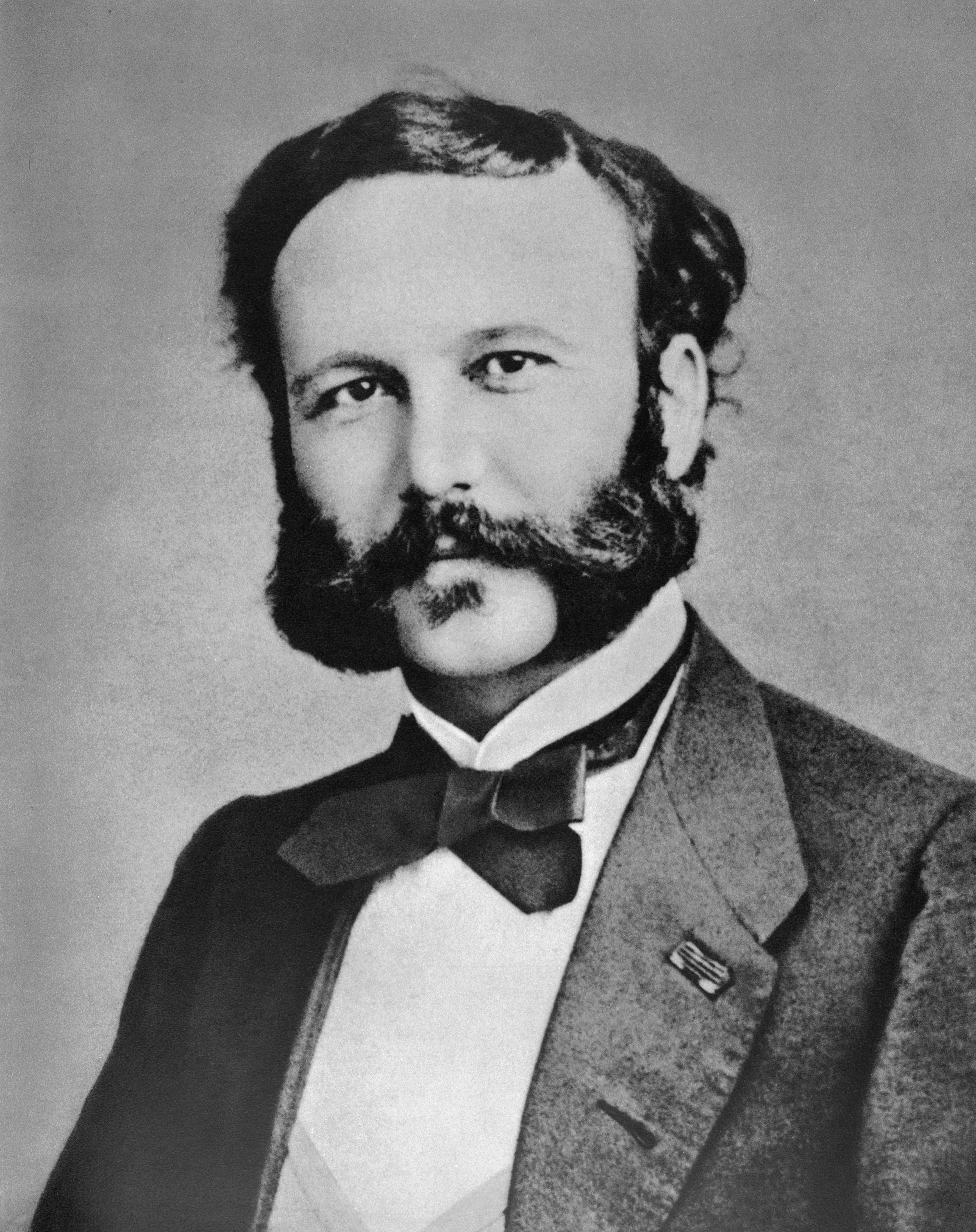
Dunant had not travelled to Solferino as a soldier, diplomat, or physician. Yet what he encountered would reshape the development of international law. Disturbed by the suffering before him, he organised local civilians to care for wounded soldiers without distinction of nationality. The principle was remarkably simple:
humanity should not depend upon the uniform one wears.
Three years later, Dunant published A Memory of Solferino, documenting the events he had witnessed and proposing two ideas that would become foundational to modern international humanitarian law. First, that every state should establish voluntary relief societies trained to care for the wounded during armed conflict. Second, that governments should adopt an international agreement protecting both the wounded and those providing medical assistance.
hese proposals quickly gained international attention.
In 1863, the International Committee of the Red Cross (ICRC) was established in Geneva. A year later, representatives of twelve states adopted the First Geneva Convention, marking the first multilateral treaty dedicated exclusively to the humanitarian regulation of armed conflict. The Convention required the protection of wounded soldiers, medical personnel, military hospitals, and ambulances, while introducing the Red Cross emblem as a symbol of protected humanitarian assistance.
The image is that of Henry Dunant, in his youth.
The law did not seek to make war humane. It sought to ensure that humanity survived it.
Collectively, the Conventions protect wounded and sick members of armed forces on land, those wounded or shipwrecked at sea, prisoners of war, and civilians affected by armed conflict or occupation. Their protections have since been supplemented by the Additional Protocols of 1977 and by customary international humanitarian law, developed through consistent state practice accepted as legally binding.
Contrary to a common misconception, international humanitarian law does not determine whether a war is lawful. Questions concerning the legality of resorting to force fall under jus ad bellum, principally governed by the United Nations Charter. International humanitarian law—jus in bello—addresses a different question: how parties to an armed conflict must conduct themselves once hostilities exist.
That distinction is not merely technical. It reflects one of the defining features of humanitarian law: its protections apply irrespective of the political or legal justification advanced by any party to a conflict. The law does not ask who deserves protection. It begins from the premise that protection is owed.
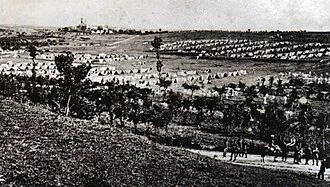
More than 160 years after Solferino, the battlefield has changed beyond recognition. Warfare now extends into cyberspace, autonomous technologies, densely populated urban environments, and conflicts involving non-state armed groups. Yet the central purpose of international humanitarian law remains unchanged.
Its objective is neither to legitimise war nor to decide its victors. It is to preserve human dignity where peace has already failed.
The image is that of the Battle of Solferino.
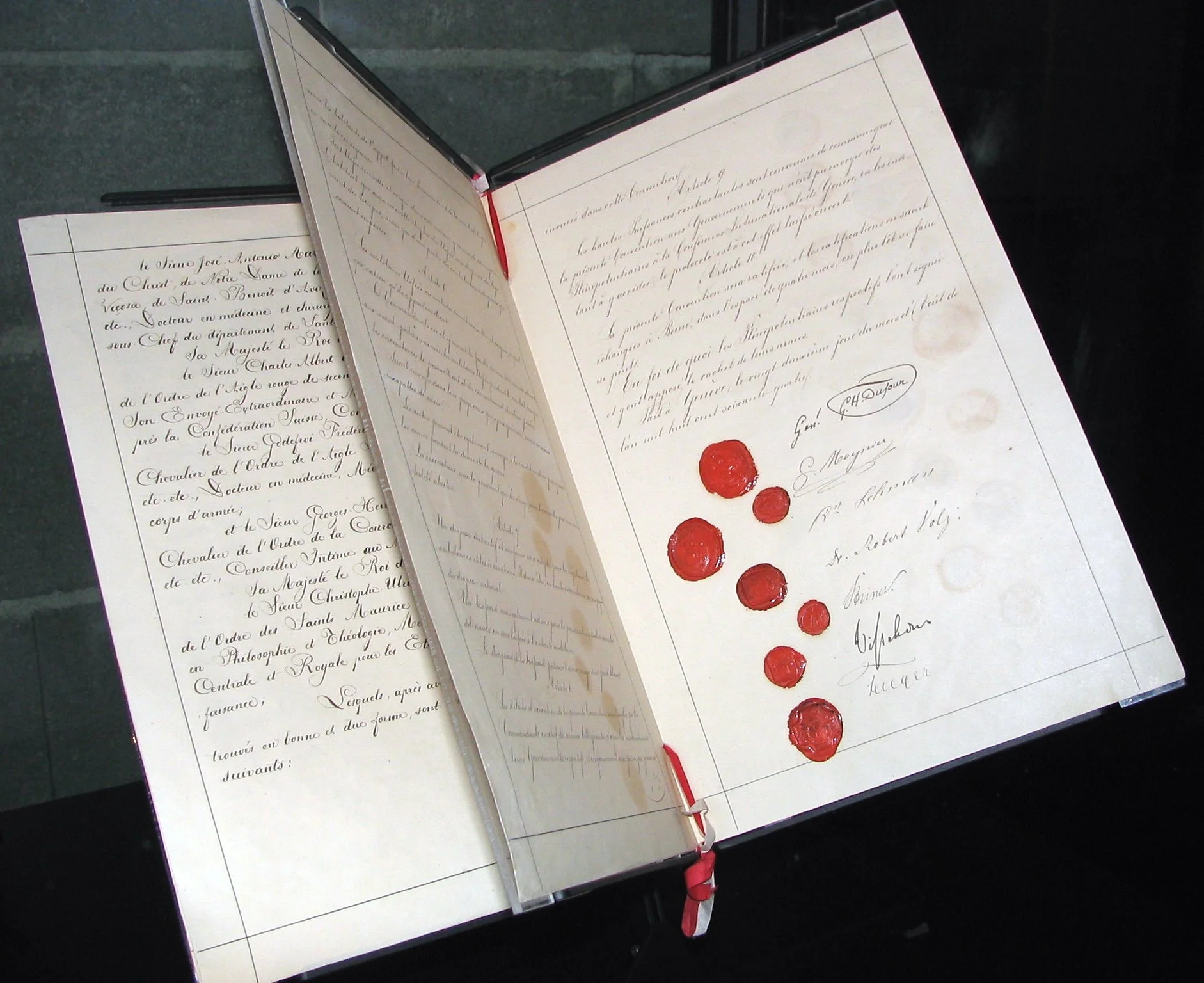
The origins of international humanitarian law remind us that legal progress is often written in response to human tragedy. Every protection afforded to a civilian, every prisoner of war treated with dignity, and every humanitarian worker operating under the protection of the law traces its lineage to a single battlefield in northern Italy—and to one individual's refusal to accept that suffering without limits was inevitable.
War has changed.
The need for humanity has not.
The image is that of the first ever Geneva Convention that ever occurred.
-A.H.
ReferencesHenry Dunant, A Memory of Solferino (1862)Geneva Convention for the Amelioration of the Condition of the Wounded in Armies in the Field (1864)The Four Geneva Conventions (1949)Additional Protocols I & II (1977)International Committee of the Red Cross, History of the ICRC and Customary International Humanitarian Law Study