What Is International Humanitarian Law? And Why Does It Matter?
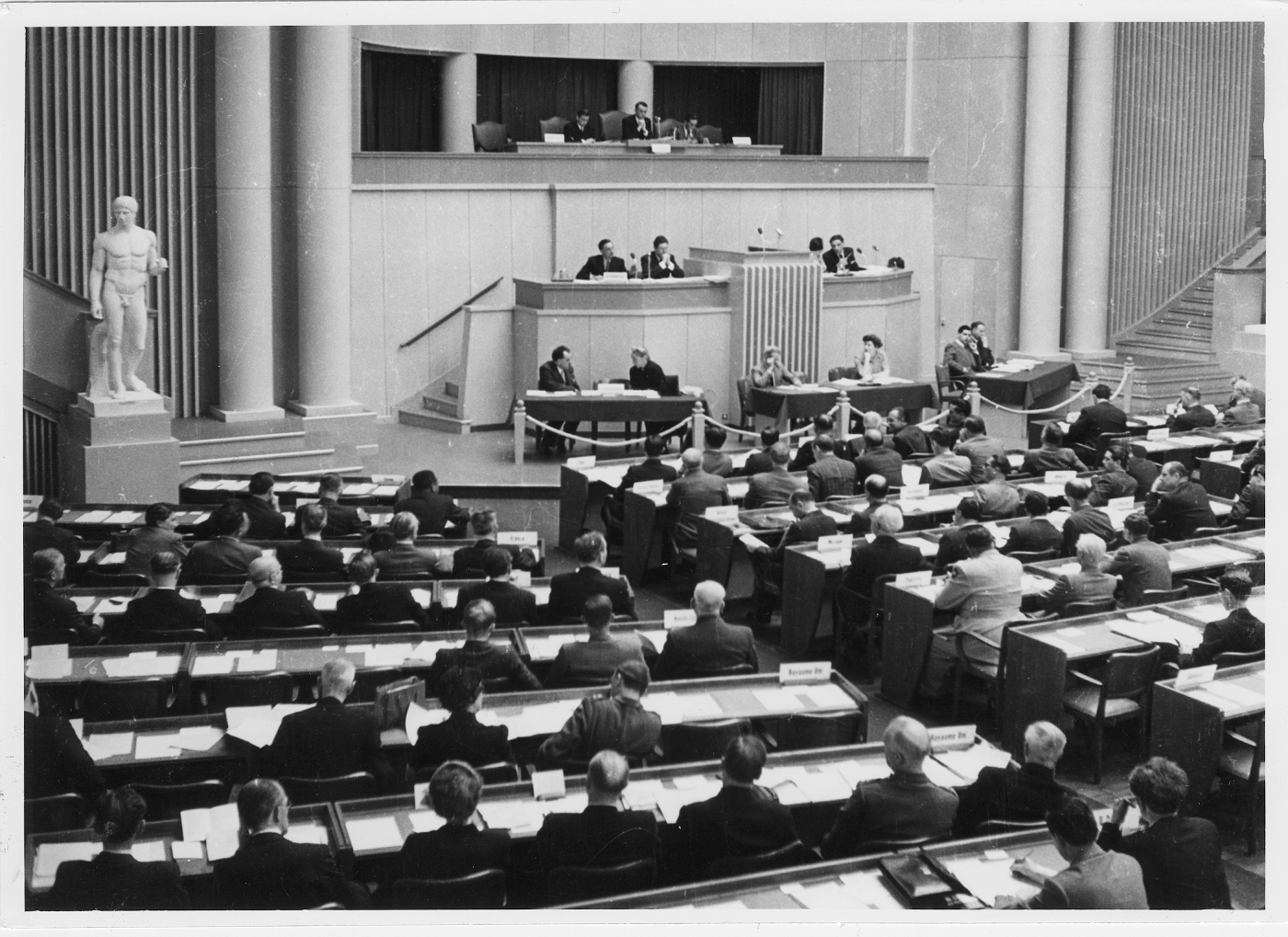
Drafting of the 1949 Geneva Convention
Every war leaves behind more than headlines. It leaves behind families, communities, hospitals, schools, and lives permanently altered by violence. While conflict may be as old as civilization itself, so too is humanity's effort to place limits on it. International humanitarian law (IHL) exists not to make war acceptable, but to reduce its human cost.
International humanitarian law is the body of law that regulates the conduct of armed conflict. Its central purpose is simple: to protect those who are not, or are no longer, participating in hostilities, while placing legal limits on the methods and means of warfare. It applies to all parties to an armed conflict, regardless of who initiated the conflict or the political justifications advanced by either side.
At its core, IHL is founded upon a simple principle: even in war, there are rules.
The modern foundations of international humanitarian law can be traced to the Battle of Solferino in 1859, where Swiss businessman Henry Dunant witnessed the devastating human cost of war. His call for greater protection of the wounded and those caring for them led to the establishment of the International Committee of the Red Cross (ICRC) and the adoption of the First Geneva Convention in 1864. Over the following century, these protections expanded into the four Geneva Conventions of 1949 and their Additional Protocols, which remain the cornerstone of modern international humanitarian law.
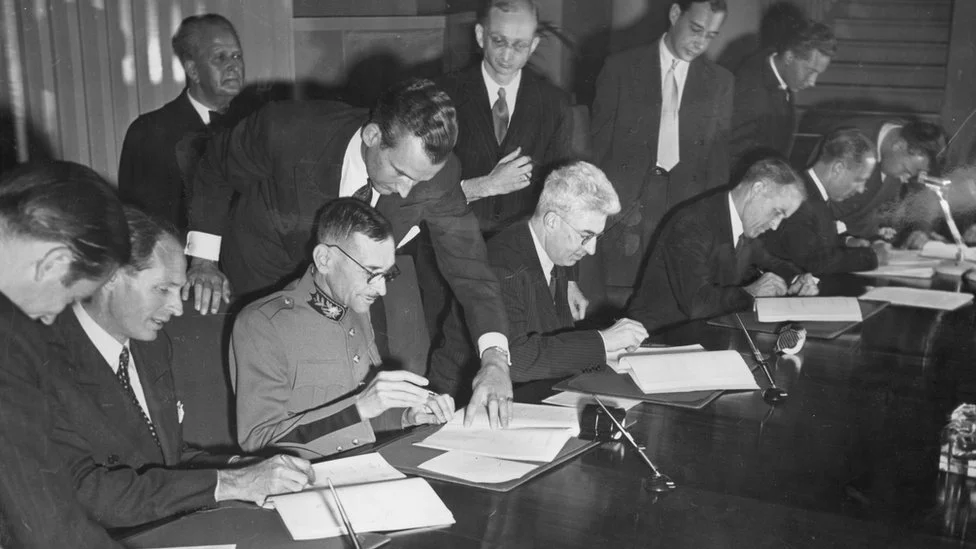
Today, the four Geneva Conventions provide protection for different groups affected by armed conflict:
The First Geneva Convention protects wounded and sick members of armed forces on land.
The Second Geneva Convention extends similar protections to those wounded, sick, or shipwrecked at sea.
The Third Geneva Convention establishes the legal framework governing the treatment of prisoners of war.
The Fourth Geneva Convention protects civilians living under the effects of armed conflict and occupation.
Alongside these treaties, customary international humanitarian law—rules developed through consistent state practice accepted as law—continues to regulate conduct during both international and non-international armed conflicts.
One of the most common misconceptions surrounding armed conflict is that international humanitarian law determines who is "right" or "wrong." It does not. Questions concerning whether a state may lawfully resort to force are governed by a separate body of law known as jus ad bellum. International humanitarian law—often referred to as jus in bello—instead asks a different question: how must war be conducted once it has begun?
This distinction is essential. The protections afforded by IHL do not depend upon the political legitimacy of a cause. Whether a state acts lawfully or unlawfully in resorting to force, all parties remain bound by the same humanitarian obligations once an armed conflict exists. Human dignity does not disappear when conflict begins, and neither do the legal protections intended to preserve it.
Among the most fundamental principles of IHL are distinction, proportionality, military necessity, humanity, and precaution. Together, these principles seek to ensure that civilians are protected, unnecessary suffering is avoided, and the methods and means of warfare remain subject to legal restraint. While violations continue to occur across the world, the existence of these rules provides an essential legal framework through which accountability may be pursued.
The purpose of The IHL Review is not to advocate for governments, militaries, or political movements. Rather, it is to examine armed conflict through the framework of international humanitarian law, encouraging careful legal analysis grounded in treaties, customary international law, judicial decisions, and established scholarship. We believe that meaningful discussion begins with understanding the law itself before reaching conclusions about its application.
Understanding the law of armed conflict is not reserved for lawyers, diplomats, or judges. In an era where armed conflicts unfold in real time across our screens and public debate often outpaces legal analysis, a basic understanding of international humanitarian law has become increasingly important. Legal literacy enables more informed conversations, encourages critical thinking, and reminds us that even amidst violence, humanity remains protected by law.
-A.H.